
Published on Beijing Daily (June 9, 2022, P6-7)
Shunyi used to be called the “Barn of Beijing” in the past. Nowadays, the new general plan of Beijing municipality has positioned it with the function as a new plain town of importance. It will be built into a core area of international aviation center with the integration of port and city, a pioneer area of regional economic upgrading and development led by innovation, and a harmonious and livable demonstration area of the capital with urban-rural coordination.
Over the past 5 years, Shunyi district has been sticking to the top standards of the capital with its urban development strategy as the guidance, following the new development principles and constantly improving the capacity of comprehensive functions, building a high land of high-quality development. It has taken a leading role in the building of “Two Zones” (the Integrated National Demonstration Zone for Opening Up the Services Sector and the China (Beijing) Free Trade Pilot Zone), high-end manufacturing and the development of the new town.
“The development of the capital in the new era is now at a new stage. Shunyi is now actively undertaking functions of culture, sci-tech and international exchange in line with the positioning of the capital, improving its capability of serving and safeguarding capital functions so as to achieve sustainable development at a higher level, which is not only the responsibility and mission of the district, but an important opportunity as well,” said Gao Peng, secretary of Shunyi district Party committee.
Shunyi has been actively taking initiatives to take the lead in industrial upgrading, vying for being a demonstrative model of opening up, and building a great living and working environment, based on the positioning of the capital's key new plain town. In the next five years, Shunyi district will make serving the capital development as the guideline and promote high-quality development as the core. It will strive to meet the people's growing needs for a better life as the purpose, while making reform and innovation as the driving force and a clean and healthy political environment as a guarantee. It will take the lead in building the "Two Zones" and promoting high-end manufacturing and the development of the new town, and make its own contributions to the capital's high-quality development.
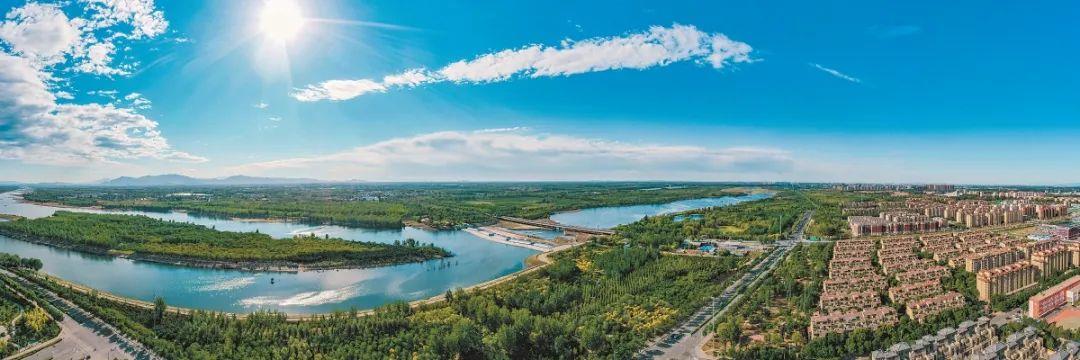
Chaobaihe River Shunyi section. Photo by Li Zongyin
A high land for opening-up, integrating the town with the port
Inside the warehouse of Keyuan Xinhai (Beijing) Medical Products Trade Co., Ltd. in Tianzhu Free Trade Zone, medical products from overseas fill up the shelves. By only a few clicks, Chinese consumers can place an order online via the e-commerce platforms and get them delivered the next day.
With further steps being made in building the "Two Zones" in Beijing, the policy of “piloting pharmaceutical sales via cross-border e-commerce” in Tianzhu Free Trade Zone has been approved by National Medical Products Administration. Benefiting from this reformative measure, people get a more convenient and legal method of purchasing medicine from overseas. They can buy them when there’s a need and don’t have to stock, with delivery period and credentials of the platforms guaranteed. Based on the advantage of the Beijing Capital International airport, Shunyi is shortening the distance for ordinary citizens from the outside world with the adoption of the policies of opening up at a higher level.
The “ice-breaking” piloting measure has been a microcosm of Beijing’s exploration of deepening the level of opening up and exemplified the trial of Shunyi district in exploring innovation in system, mode and service as well as opening up more industries and sectors.
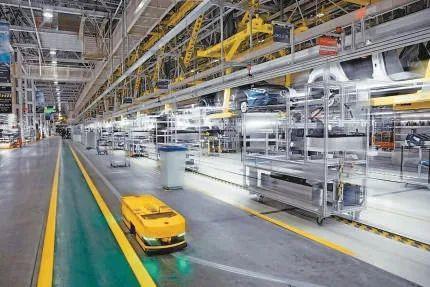
The new energy vehicle plant of Beijing Benz
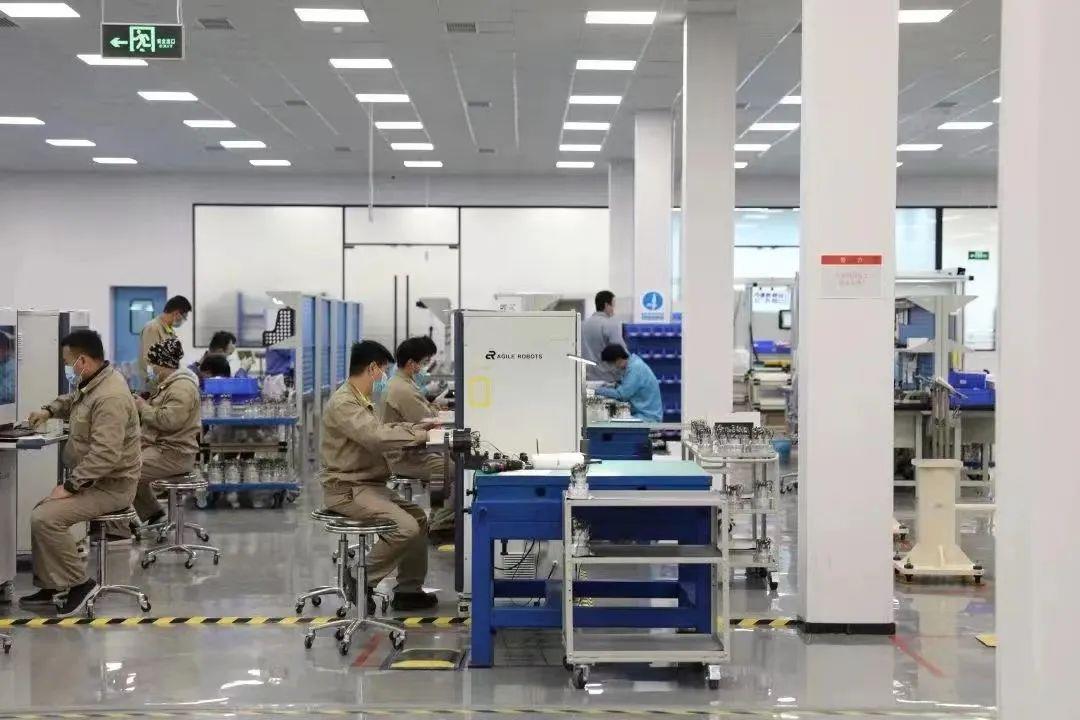
A lab of Agile Robots
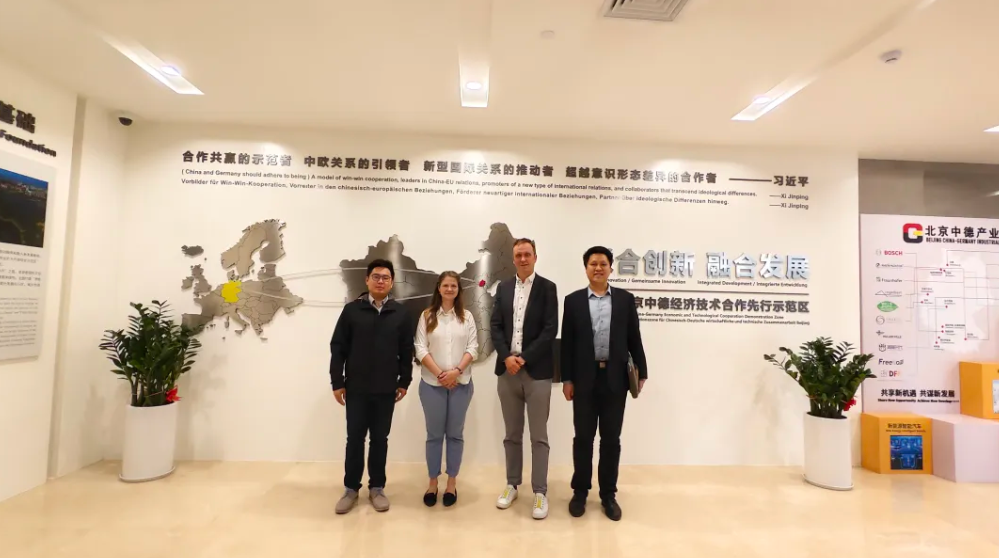
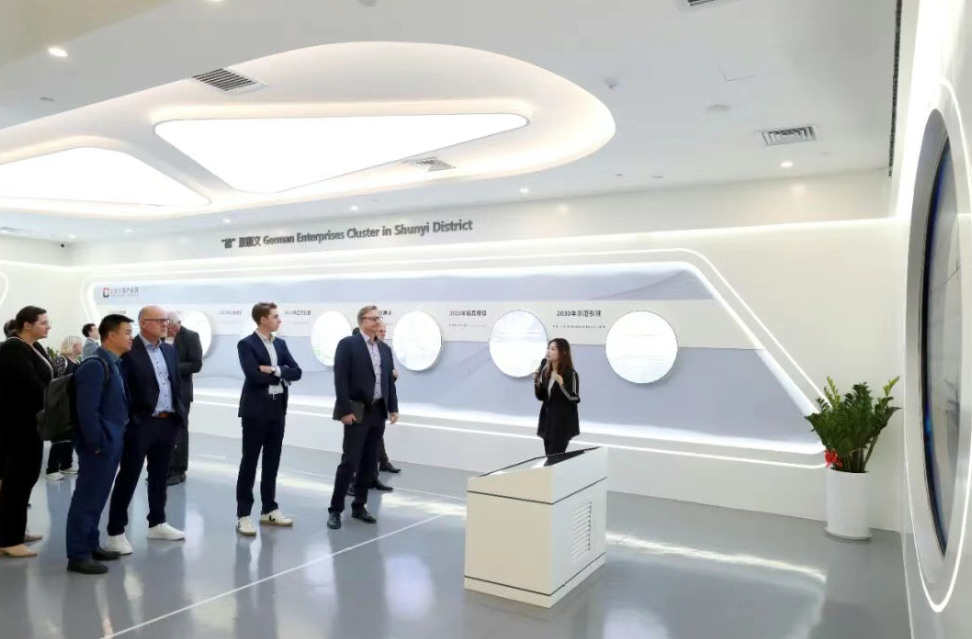
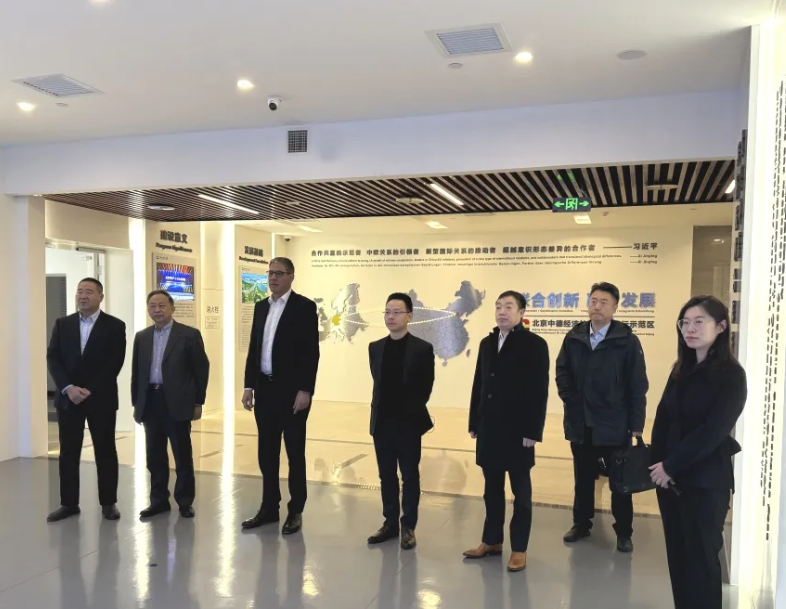
Inside the test site of Agile Robots in the north area of Beijing China-Germany Industrial Park, a few robot arms are carrying out fine tests such as weight-bearing, rotation and positioning. The robots produced here are highly intelligent, adaptive and functionally stable and will play a great role in surgeries, consumer electronics manufacturing and intelligent agriculture. Approved by the National Development Reform Commission, the Industrial Park has focused on new energy intelligent vehicles, intelligent equipment and digital economy as three pillar industries, and with advanced manufacturing services such as sci-tech service, industrial design, commercial exhibition and industrial finance as the supporting industries, promoted opening up, innovation, integrated development and the leading role of industries, constantly consolidated industrial foundation, innovated policies and measures and improved development environment. There are over 90 German-invested enterprises including Mercedes-Benz, BMW, Ameco and Wilo settling in the Industrial Park at present. The number of German executives and key engineers of those enterprises has exceeded 100. More and more German enterprises are gathering here. With the introduction of high-quality resources and elements with open arms and the opening of more windows for cooperation, Beijing has been playing a more prominent role for many German-invested enterprises.
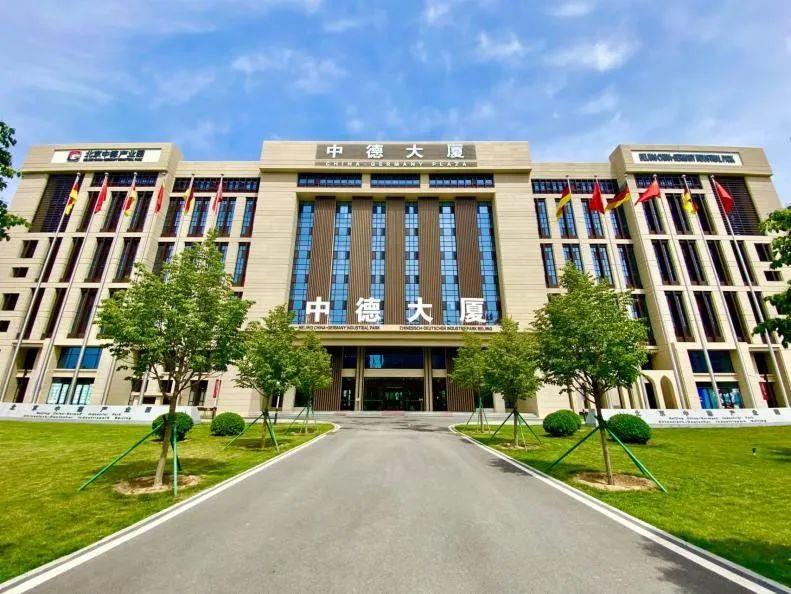
Beijing China-Germany Industrial Park
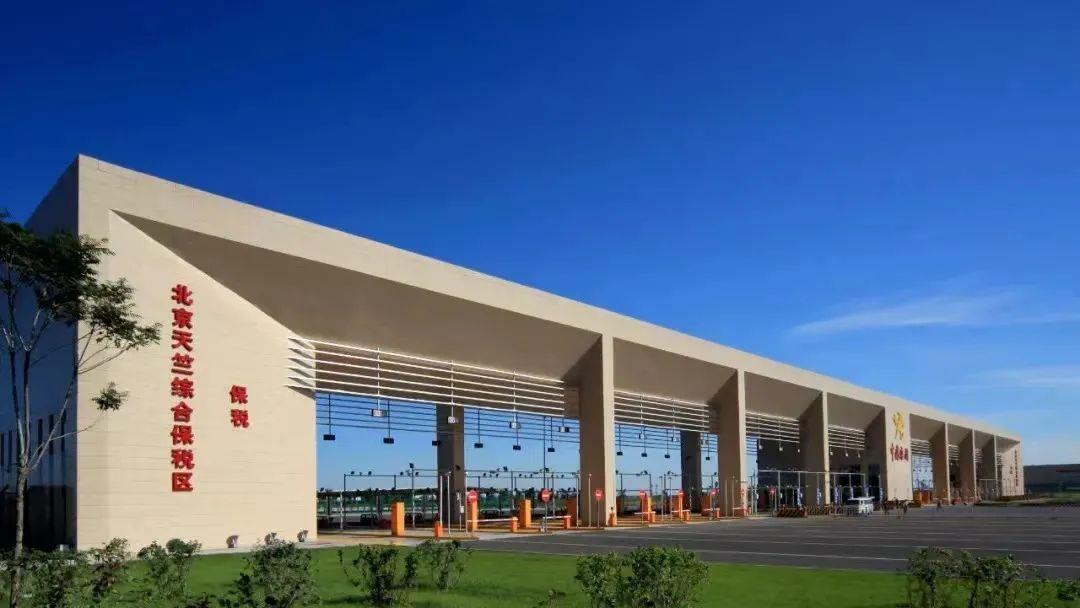
Tianzhu Free Trade Zone
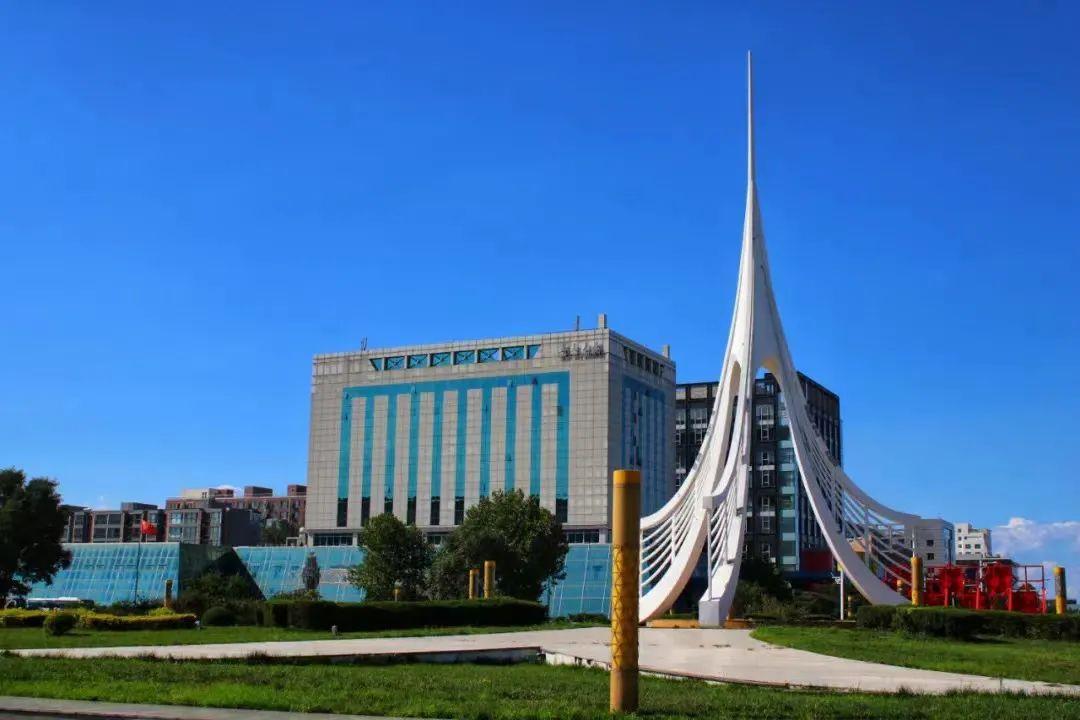
Airport Economic Demonstration Zone
Shunyi cluster covers the largest area among all clusters of China (Beijing) Pilot Free Trade Zone. Based on Beijing China-Germany Industrial Park, Tianzhu Free Trade Zone and Airport Economic Demonstration Zone, Shunyi has focused on seven industries, namely the aviation services, cross-border finance, cultural trade, commercial exhibition, digital trade, pharmaceutical and health, as well as international shipping and logistics, to build a high land of opening up at a higher level with the top standards of the capital.
A series of landmark projects have been launched one after another, and the second phase of the New China International Exhibition Center under construction will become the exhibition center with the largest exhibition area and the best facilities in Beijing, which will attract more professional and international exhibitors and the exhibitors in emerging industries upon its completion, promote the integrated development of international exhibitions with international business and international consumption, and promote the convergence of "duty-free, bonded and cross-border e-commerce" policies so as to build an important location of the international consumption center of Beijing municipality. The Beijing Capital International Airport has opened the first fifth freedom route since the construction of China (Beijing) Pilot Free Trade Zone, bringing huge international transit passenger and cargo flows, which will greatly enhance the influence of the "Air Silk Road", and promote the building of a world-class aviation hub. Shunyi has also introduced the first wholly foreign-owned insurance capital management company and the first wholly foreign-owned third-party payment company on the Chinese mainland.
At present, there are 12 reform and innovation practice cases of "Two Zones" construction here in cross-border pharmaceuticals, aviation services, cultural trade and other advantageous fields. Among them, the piloting policies of cross-border e-commerce sales of pharmaceutical products and "duty-free, bonded and cross-border e-commerce" integration are the first such policies across the country. The new models of bonded logistical supply chain of aviation materials and cultural bonded service for cultural relics and artwork trade have been acknowledged and promoted nationwide. The piloting of cross-border trade facilitation standardization for pharmaceutical equipment and the comprehensive service platform for cultural artworks and cultural relics have been acknowledged and promoted across Beijing.
In the next five years, focusing on scientific and technological innovation in the capital, the construction of “Two Zones”, digital economy, supply-side structural reform, and the coordinated development of Beijing-Tianjin-Hebei, Shunyi will accelerate the exploration of opening-up policies and systems with strong international market competitiveness and serve as a testing ground of reform and innovation. The pattern of full port-industry-town integration and compact multiple clusters will be accelerated. The plan of "rebuilding the national gate" of the Beijing Capital International Airport (BCIA) will promote the overall optimization and upgrading of the functions of the airport hub, gather industries around the port, continue to attract headquarters and pivot resources, and promote the healthy development of aviation services, commercial exhibition and other modern service industries. To promote its development with booming industries, Shunyi is accelerating the formation of an urban spatial structure consisting of "one center, three areas and multiple clusters", and forming a development pattern of east-west integration, north-south docking and regional vertical and horizontal linkage. The transformation of production-focused industrial parks into industrial communities integrating production, living and ecological environment is under way to promote the life-work balance and the integration of industries with the town.
Focusing on building the core of the bridgehead for international consumption, we will take the BCIA as the center, strengthen the cultivation and guidance of regional consumption functions, and shape the international consumption circles of the "airport-airport neighborhood-municipality". It will focus on cultivating eight special consumption areas including aviation, convention and exhibition, and implement five major action plans such as building an airport-related international consumption driver and strengthening the modern circulation network hub, in order to continuously optimize the supply for airport area consumption, improve the circulation network, increase the flow of air passengers and cargo, upgrade to the omni-channel and all-sector/layer consumption, and improve international service support, so as serve the building of an international consumption hub in Beijing and build an international consumption bridgehead at a high level.
Innovation-driven leading area of development
The First Factory of Beijing Hyundai, which used to produce Sonata,Tucson, and Elantra models, has changed into a green intelligent manufacturing base of Li Auto in Beijing. When put into full operation, the first phase of the project will produce 100,000 electric vehicles annually.
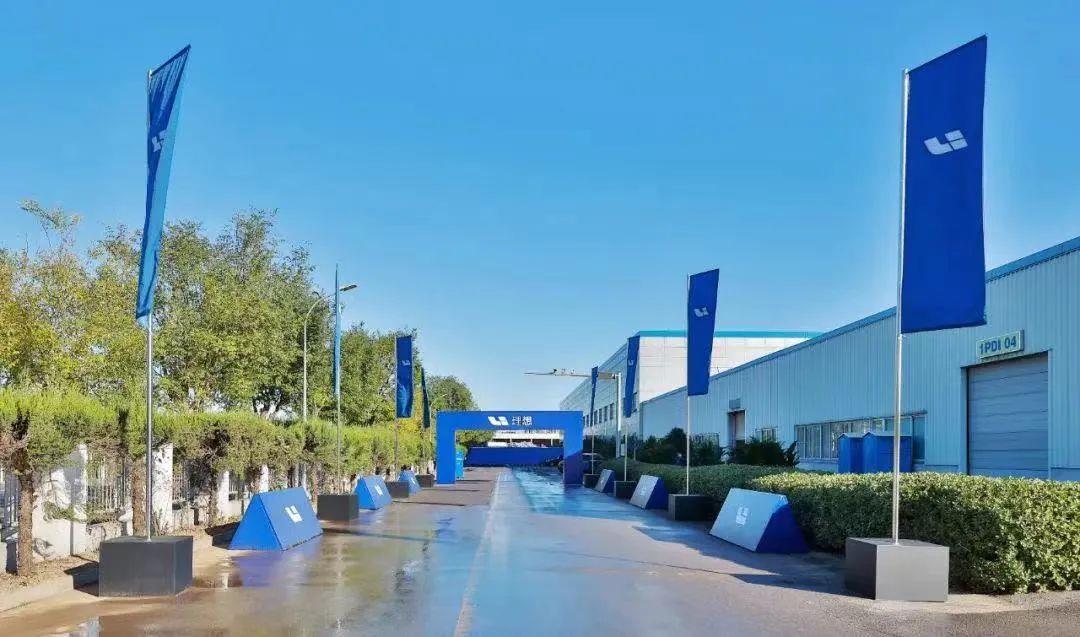
The green intelligent manufacturing base of Li Auto in Beijing
Unmanned testing vehicles with special protective heads run around on the roads west of Qianlu village, Beixiaoying town. It’s the third unmanned testing ground in use in Beijing, equipped with 5G transmission facilities, high-precision map, high-precision positioning and big data cloud platform technologies. It is used for the R&D, testing and verification of vehicles of autonomous driving.
At present, Shunyi has formed an industrial ecosystem led by research and development design, based on the manufacturing of vehicles and core components, and extended by auto finance, exhibition and experience, shared mobility, unmanned delivery, autonomous driving and other business models. The permanent site of the World Intelligent Connected Vehicles Conference is located in Shunyi, and the conference has been successfully held for four years. A total of 80 intelligent network enterprises on the upstream and downstream of the industry chain including Meituan and Didi have gathered in Shunyi. The development of new energy intelligent vehicles is an important component of industrial development pattern featuring high precision, high-end and elite technologies that is speeding up now in Shunyi.
During the "Thirteenth Five-Year Plan" period, Shunyi district optimized the industrial layout, developed three 100-billion-yuan innovative industrial clusters of new energy intelligent vehicles, third-generation semiconductors and aerospace, and actively cultivated three strategic emerging industries of new-generation information technology, intelligent equipment and pharmaceutical and health, constantly gathering innovative resources. At present, Zhongguancun Shunyi Park has initially formed a third-generation semiconductor industry chain from equipment, materials, chips, modules, packaging and testing to applications, attracting more than 20 leading enterprises such as DCA, TSD, SinoGaN and ASI. In the aerospace industry, an aviation-based, market-oriented and innovation-driven industrial pattern has been formed, and a fundamental research and independent innovation center led by Aero Engine Corporation of China has been built, attracting suppliers of military and civil aircraft composite materials, aviation equipment and civil aviation products represented by AVIC Composite Co., Ltd. and AVIC Keeven.
Entering the key year of the 14th Five-Year Plan, following the development orientation of high-end manufacturing and intelligent manufacturing, Shunyi will accelerate the construction of Beijing Innovative Industrial Cluster Demonstration Zone (Shunyi) and Beijing China-Germany Industrial Park, strengthen the new energy and intelligent automobile industry, optimize the third-generation semiconductor industry, expand the aerospace industry, and establish a "chain chief system" for the leading industry chains, so as to achieve the goal of the whole life-cycle project management consisting of industry chain creation, enhancement and improvement. The three-year action plan for intelligent manufacturing has been implemented step by step, and constant efforts have been made to promote the cultivation of model enterprises of intelligent manufacturing and "enterprises that use special and sophisticated technologies to produce novel and unique products”, and promote collaborative innovation and demonstrative application of intelligent manufacturing. It has strengthened the construction of digital economy infrastructure and taken advantage of the national top node of industrial Internet identity resolution so as to fully empower intelligent manufacturing.
In 2025, Shunyi will strive to attract 2,200 national high-tech enterprises and 50 R&D institutions above the municipal level, ensure the ownership of 40 high-value invention patents per 10,000 people and a total transaction amount of 12 billion yuan of technology contracts, promote the rapid growth of a number of "enterprises that use special and sophisticated technologies to produce novel and unique products", as well as small giant enterprises and hidden champions, and build a service system for scientific and technological achievements transformation with gathering various types of innovation elements in free flow and in mature configuration. It will build up a strategic sci-tech force led by state key laboratories, national technology innovation centers and high-level innovation institutes, and the goal of making key core technologies in several fields such as third-generation semiconductors, intelligent connected vehicles, aerospace and bio-medicine independently developed will be achieved, so as to build a frontier of innovation-driven development, and a top destination of scientific and technological achievements transformation and industrialization as well as the demonstration area of the innovative development of intelligent manufacturing in the Chinese capital.
A green livable demonstration area
Beside the Wenyu River, the 7.5-square-kilometer Beijing Wenyu River Park (Memory of the Old City) is about to open. The park shows the elements of Han culture, integrating history with modern features and offering educational and leisure experience, and has now become a key leisure destination for the citizens. The lush mountains and clear water have constituted a better and ecological Shunyi. On Wenyu River, wild ducks, white swans, black swans and white Eurasian coots are often seen.
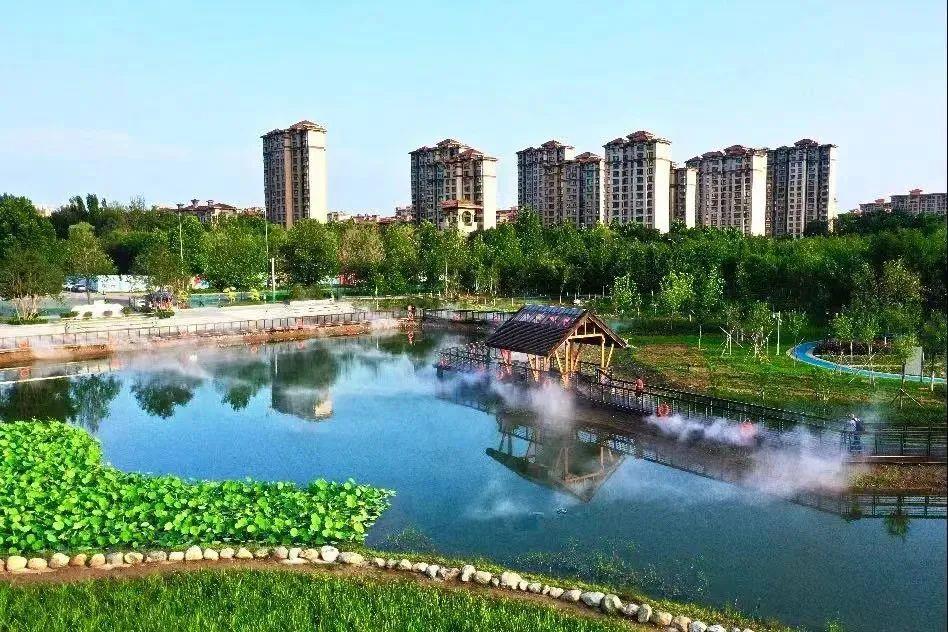
Mapo Urban Forest Garden
On the east side of Kun’an Road sits the 142-mu Mapo Urban Forest Park, which has become a good leisure place for local residents. Entering the park, the first thing in sight is a beautiful pond decorated by green plants on the bank. Farther away is even lusher greenery. There is a small botanical garden in its southwest, planted with red maple, magnolia, and forsythia, which has attracted the attention of local people. Some people take pictures with cell phones, and some of them are seen dancing.
Shunyi New Town Riverside Forest Park, Beijing East Suburban Forest Park, Yuhang Urban Forest Park, Shunyi New Town Ecological Recreation Park ... more and more green spaces around local residents are appearing.
Lush mountains, lucid waters and the good ecological environment in Shunyi come from great efforts and determination of the district government in recent years to win the battle of pollution prevention and control. In the past five years, Shunyi district has invested more than 11 billion yuan in related initiatives, bringing about a number of results. The annual average concentration of PM2.5 fell below 35 mg per cubic meter, more than 170,000 villagers got the access to clean heating, and small water bodies treatment and rural sewage treatment completion rate led the numbers of other districts in Beijing. And all black smelly water bodies have been eliminated. The sewage treatment rate in Shunyi increased to 95.5%, and the Chaobai River Shunyi section was unblocked for the first time in 22 years. More than 87,000 mu of plain forest have been erected, and 90.6% of the district is now covered by the 500-meter radius of a park greening area. Blue, green, fresh and bright are the few key words of the environment in Shunyi district, demonstrating a harmonious urban picture of great ecological environment which offers a "green name card" of Shunyi.
Letting the people live a happy life is one of "the country's most fundamental interests", and ensuring the well-being of the people is the immutable goal of all work. Shunyi District puts more than 85% of its financial expenditure in improving people's livelihood, so that the fruits of development really benefit the people.
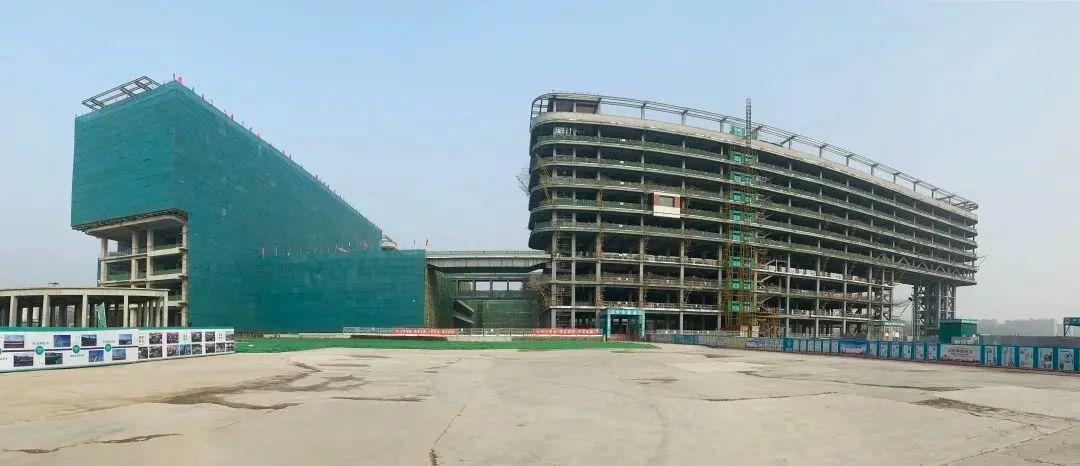
Capping the roof of the main structure of Friendship Hospital Shunyi Branch
Over the past five years, the district has invested a total of 23.3 billion yuan in education, building, renovating and expanding 19 schools and adding 5,040 preschool opportunities and 4,560 middle and primary school opportunities, and introduced Shunyi campuses of key renowned schools such as The Experimental High School Attached to Beijing Normal University, Beijing Experimental School, Huangchenggen Primary School, Zhongguancun No.1 Primary School and Zhongguancun No.3 Primary School. The main structure of Friendship Hospital Shunyi Branch has been finished, the primary land development of Peking University Third Hospital Shunyi Branch has been approved, and all villages in the district have been covered by village-level medical institutions. Elderly service stations have been constructed and operated well, and nearly 100 canteens for elderly people have been opened, serving over 400,000 users. The number of convenience commerce outlets have reached 546, “15-minute community service circles” have been set up, covering all urban communities. The three-year action plan of developing the River East area have been implemented step by step. Key projects such as Fuxing Bridge have been built and put into use. Over 300 kilometers of roads have been built or renovated. Public kindergartens, village-level cultural rooms and elderly shelter centers have covered the entire district. The infrastructure, livelihood, ecological environment and industrial layouts have seen prominent progress in the River East area.
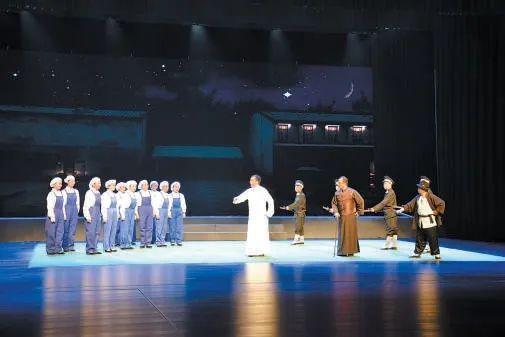
Pingju Opera play Li Kun
The cultural experience of Shunyi people has been upgraded constantly. In March 2021, the Shunyi District Cultural Center was opened to public, which includes a museum, a library, a cultural house and an opera house with expanded spaces and improved cultural services and functions. The district museum stores collections of historical records of Shunyi, the cultural house offers a “space for people’s art activities”, the opera house has staged 79 high-standard shows so far and the library is filled with visitors as a hot destination going viral online. Additionally, every town or street has their own cultural center or centers. The number of such women’s homes, children’s homes and farmers’ libraries at the village or community level has reached 508. Every comprehensive village-community level cultural center has an organizer and residents can enjoy rich cultural life at their doorsteps. The three-layer public cultural service network has facilitated the full coverage of the “15-minute cultural service circle”.
With China Pingju Opera Theater as a friendly pair, the “Tune Love” Pingju troupe of First Gaoliying village has gained professional guidance on practicing the traditional art form. With a huge population of opera loving population, as proposed and facilitated by the district cultural and tourism bureau, the district has seen the signing of agreements for building pairs between professional opera institutions and local communities: China Pingju Opera Theater and Gaoliying town government, Beijing Hebei Bangzi Opera Troupe and Nancai town government, Beijing Quju Opera Troupe and Beixiaoying town government, and Beijing Opera Art’s College and Beiwu town government have established such relations. Professional troupes hold regular training sessions on theory and practice for related opera lovers in respective amateur cultural groups. Cultural activities have made greater influence in the daily life of ordinary people and grassroots performers have become the leading roles on stage.
Three series of mass cultural activities, namely “Spring in February”, “Flowers in May” and “Golden Autumn in October” have been well accepted by the people. Covering various popular artistic forms such as singing, traditional opera, music, folk flower fair performance, calligraphy, fine arts and photography, those activities have thus become the unique mass cultural activity brands of Shunyi well received across the Beijing municipality.
Grassroots workers - pioneers of the national gate on the forefront of COVID-19 epidemic control
Adjacent to the BCIA, the quarantine hotel responsible for the closed-loop management of foreign flight crew amid the COVID-19 epidemic has been in continuous operation for more than 700 days, guaranteeing a total of 18,000 crew members of 26 foreign airline companies and safely transporting 146 virus-infected foreign flight crew members, with zero errors, zero infections and zero complaints. In the front line of the national gate of outside infections prevention, the flag of a Beijing Shunyi "national gate pioneer commando" flies high.
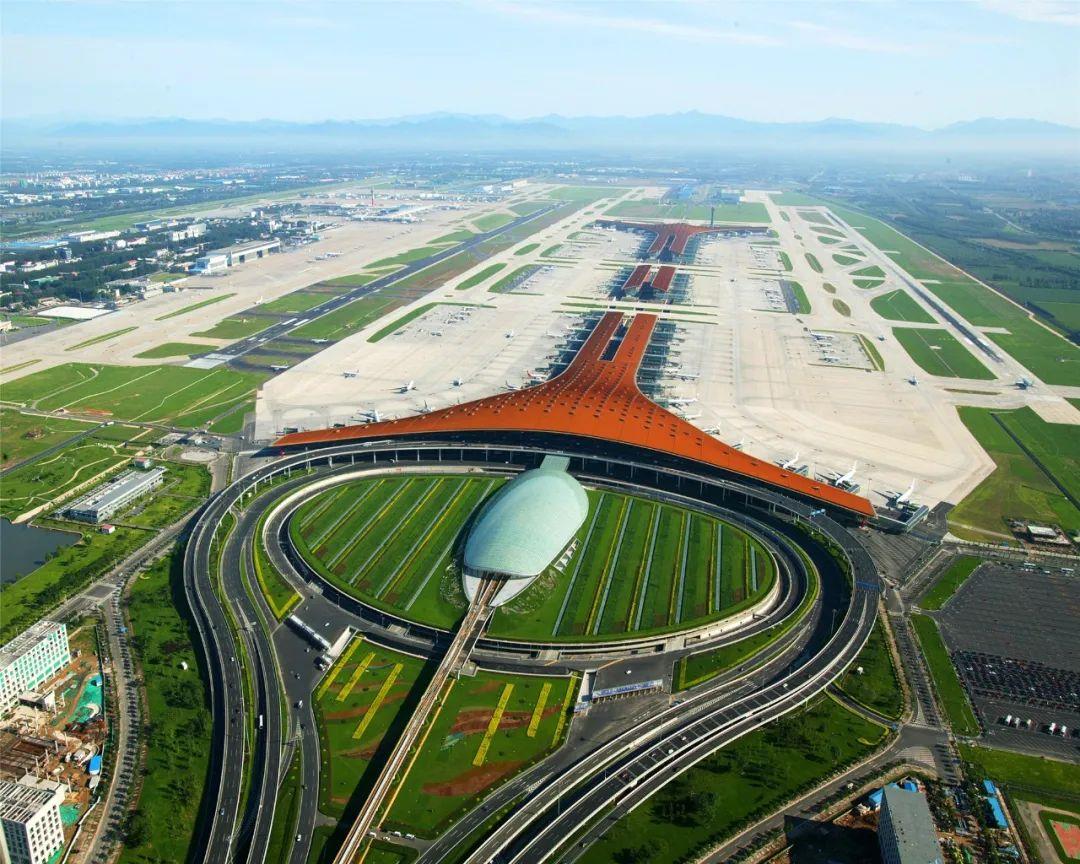
The Terminal 3 of Beijing Capital International Airport.
This is the front line of the fight against the COVID-19 virus, preventing from outside infections. In order to ensure smooth “air artery” transportation of the capital, foreign air flight crew members need to stay in a specific quarantine hotel upon arrival at the BCIA, to ensure that they do not cross paths with any members of the public. To guard the pass from the outside at the border entry, Shunyi district set up a hotel service guarantee group led by the district’s cultural and tourism bureau, and a special team consisting of the local authority, hotel service guarantee group, the epidemic prevention and control group and hotel management personnel was set up and stationed in the quarantine hotel.
"Wherever we are, there is the first checkpoint of the national gate," said Liu Zhiqiang, head of the quarantine hotel. Amid the epidemic, the reception of foreign airline crews is not a simple business service, but also represents China's international image, and requires strict safety measures and high service quality. In the past two or so years, the quarantine hotel's epidemic prevention manual has been updated many times, now to the tenth edition. Each edition, which requires huge efforts, exemplifies an example of standardized quarantine procedures in domestic hotels.
Where there’s a tough task, there’s a strong team of Party members. As the only entry-exit port for the Beijing 2022 Winter Olympics and Paralympics, the Beijing Capital International Airport in Shunyi district was the first stop of all participating athletes, foreign political leaders and important guests as well as cargo entering the Chinese border as the Game’s main logistical center is also located here.
Zhen Guoxin, deputy director of Shunyi District Center of Disease Control and deputy director of the main logistical center’s medical and epidemic control section, said the main logistical center is the non-competition venue that is running at the earliest hour and closes at the latest. When it became operational, separate zone management was adopted, which means that inside closed loops quarantine staff did their work of disinfection, and disease control personnel outside the loop kept an eye on the conditions through real time surveillance videos so that incidents could be identified on time and technical support could be offered. The overall epidemic control plan of the center was later adopted in 14 specific fields and many special work sections, including the formulation and implementation of special plans of closed loop management, vaccination and vector biological control.
During the Beijing 2022 Winter Olympics and Paralympics, Shunyi district undertook the task of safeguarding many key locations including the Games’ main logistical center, the arrival and departure center of BCIA Terminal 3 D area, the airport transit stations and stops, the overall warehouse of food materials for athletes and centralized locations of volunteers. Party members of the district strove to act as good models in respective fronts and forged ahead for smooth operation of each segments of work relating to the Games. You Kai, member of the BCIA operation team and member of the general Party branch committee of Shunyi District Center of Disease Control, was proud of the result of “zero infection”.
“The BCIA terminal was both the first stop upon the foreign athletes’ arrival in Beijing and the last spot they stayed before departure, which required a long period of epidemic control and large workloads with high infection risks,” said You. “The result is hard earned.”
During the Games, Party members of the district went all out to win the great result of disease control during the Games, even staying up all night for several days.
Guarding the national gate requires strict inspection over imported cold chain foods, which is a key point of epidemic prevention and control. From loading to unloading and to managing food storage and operation in an orderly manner, and to facilitating traceability of products, the district has implemented the measure of daily inspection to ensure effectiveness of epidemic control of cold storage enterprises. Inside the cold chain warehouse of Hema Fresh in Nanfaxin town, Yu Zhihong, deputy director of Shunyi District Administration for Market Regulation Nanfaxin branch scanned the bar code on a commodity with his cell phone, and information of the name, size, production date, serial number, country (region) of production, entry date and inspection and quarantine certification and nucleic acid test report appeared immediately.
“All imported cold chain foods sold and stored by the enterprises all mark the original production location and the “Beijing cold chain” bar code on their product labels, which ensures the traceability of every product,” said Yu as he showed the information. “Enforcement officers pick bar codes randomly in everyday checks to verify the authenticity.”
In addition, in the battlefield of epidemic prevention and control in urban areas, 2,695 grass-roots Party committees in Shunyi District moved at the command, and 74,318 Party members responded to the call, fighting in the front line, such as population flow investigation and tracing, data investigation, nucleic acid test information collection, information registration, public order maintenance, checkpoint guarding and home quarantine support. The "national gate pioneers" seen everywhere constitute a vivid picture of the epidemic control efforts here. With a flag of a special "national gate pioneer commando" hung high in mind, Party members forge ahead to the forefront, building a strong defense wall against the epidemic.
Changes in the local people’s eyes
Wang Zhiying (a resident of No.16 building, Shuangyudong community)
I live in the "oldest" community in Houshayu town. The building is old, and many problems remain, such as top floor leaks, road damage, pipe rust and other common problems in old neighborhoods. Years ago, even the frame of our building gate was made of wood.
In 2017, we set up our own residents committee. Thanks to the joint efforts of the community Party committee branch secretary Kan Xuelian and all the committee members, substantial changes have occurred. The roofs were repaired, the wall insulation was reinforced, the roads were newly paved, and old sewage pipes were replaced. ... A series of "hardcore" projects have made the community "new". We often participate in cultural activities now, and we have hopes in our life, and all neighbors are like a big family. We enjoy our life!
Chu Chenxi (General Manager of Keyuan Xinhai (Beijing) Medical Products Trade Co., Ltd.)
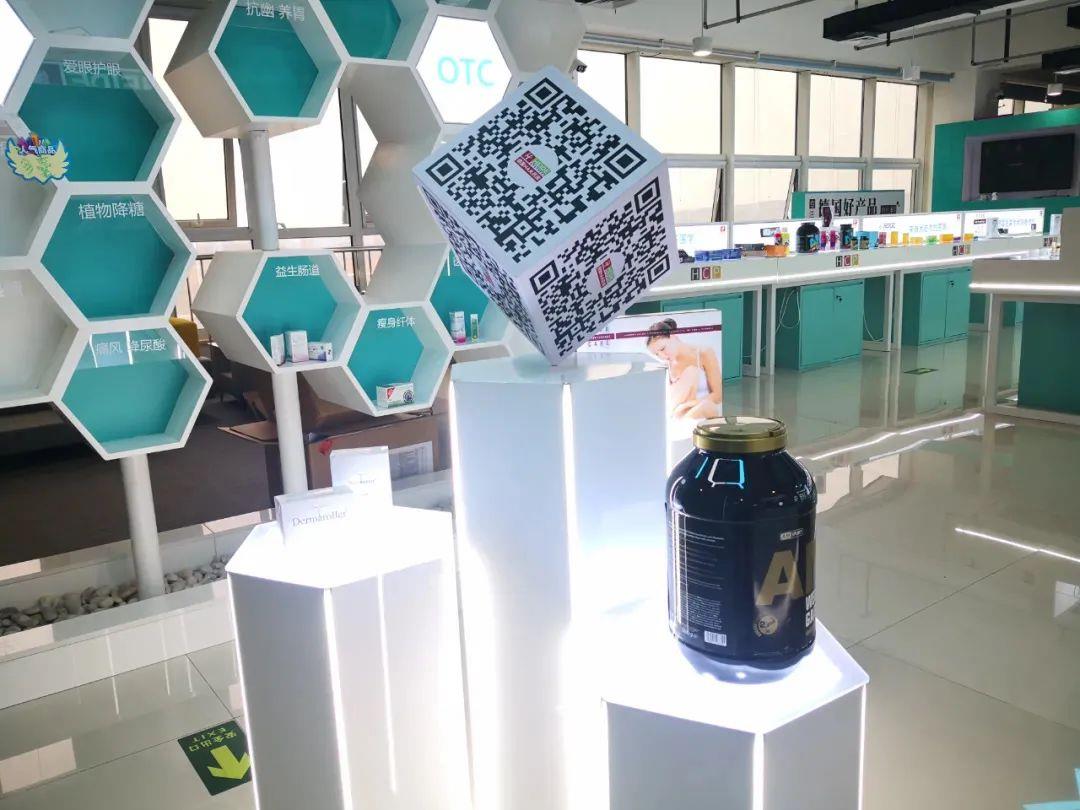
Cross-border e-commerce enterprises in Tianzhu Free Trade Zone launched sales of pharmaceutical products.
Sales of pharmaceutical products have long been prohibited on cross-border e-commerce platforms, and drugs, medical devices and special foods are subject to import approval in accordance with relevant laws and regulations. However, domestic demand for overseas pharmaceutical products is very strong. Consumers often purchase those products through overseas direct mail or overseas shopping agents, where problems such as difficulty in tracing, poor transportation and storage conditions, and lack of quality supervision remain.
Taking advantage of building “Two Zones” (the Integrated National Demonstration Zone for Opening Up the Services Sector and the China (Beijing) Free Trade Pilot Zone), Shunyi launched the piloting of pharmaceutical products sales on cross-border e-commerce platforms in Tianzhu Free Trade Zone. We have built a bonded warehouse of pharmaceutical products inside Tianzhu Free Trade Zone, which enables consumers to buy safer OTC drugs with shorter waiting periods at lower prices.
In recent years, beneficial policies adopted for the building of "Two Zones" have constantly taken effect and the trade facilitation at regional ports has been greatly enhanced, which continues to bring new momentum to the development of our company. In the past five years, we have gained more cooperation opportunities in innovative pharmaceutical products with world-known suppliers. Over the past 5 years, our business size has elevated from a ten-million-yuan level to a ten-billion-yuan one.